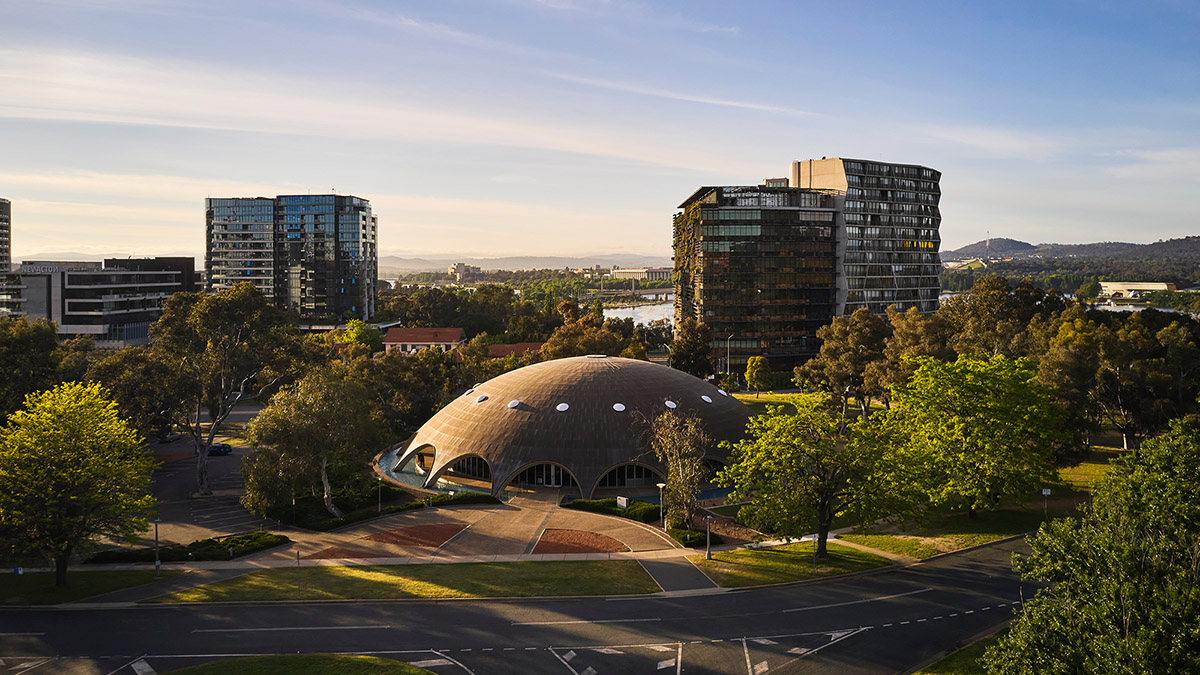
More than 150 buildings stand across The Australian National University (ANU) campus. We pass through them, study in them and meet friends outside them, often without stopping to think about the names above the door.
But behind some of the most recognisable places at ANU are women whose lives and work helped shape the University from its earliest years. Their stories, experiences and long-lasting impact are an embedded part of the campus we know and love today, from scientific discovery to student advocacy.
Marie Reay
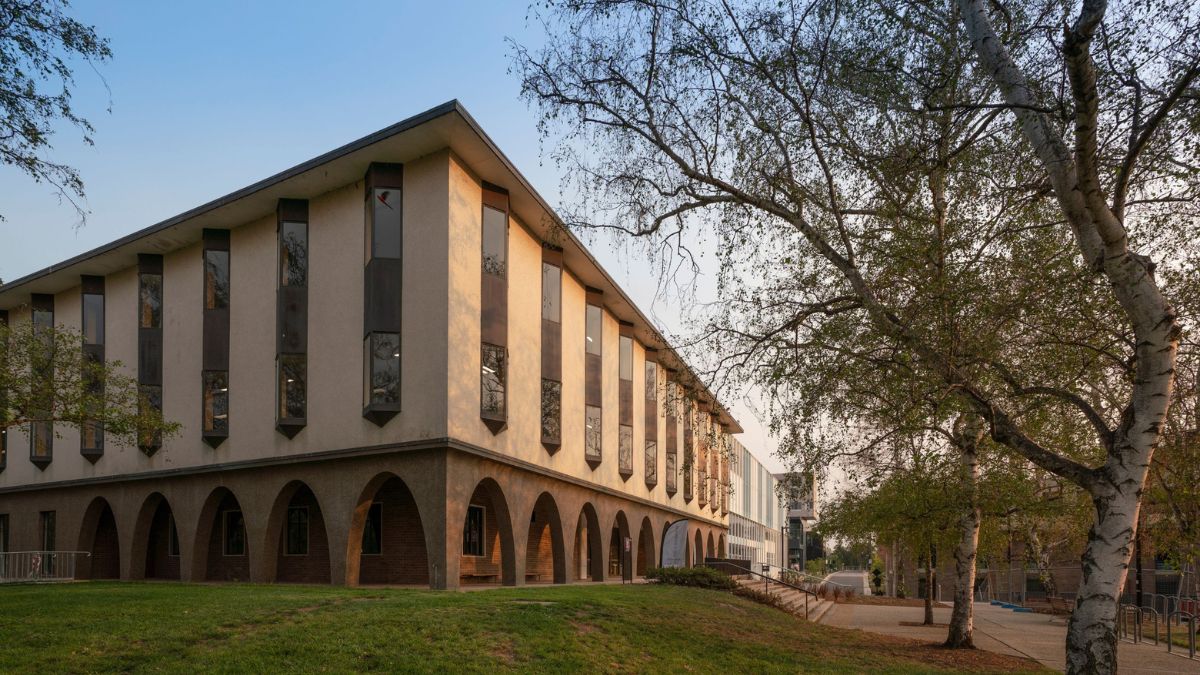
You may know the Marie Reay Teaching Centre: the multi-level study spot with the big windows. It’s a go-to for students and staff, and one of the most recognisable parts of daily life at ANU. But how well do you know the woman behind the name?
In 1953, Marie Reay arrived in the Papua New Guinea Highlands to live among the Kuma people at Minj. She was the first female anthropologist in the region, and she scandalised the local district officer by wearing shorts. She kept returning for the rest of her life, so often that a colleague nicknamed her Our Lady of Perpetual Fieldwork.
Reay spent almost her entire career at ANU, and her book The Kuma became a landmark study of Highlands life. A manuscript on the lives of Highlands women, found in her papers after her death, was finally published in 2014 and is still considered foundational.
Today, the Marie Reay Teaching Centre sits in the middle of Kambri, the campus precinct where many students spend a very decent portion of their week. Tutorials, group work, late-night study sessions. We think she would approve of the work ethic.
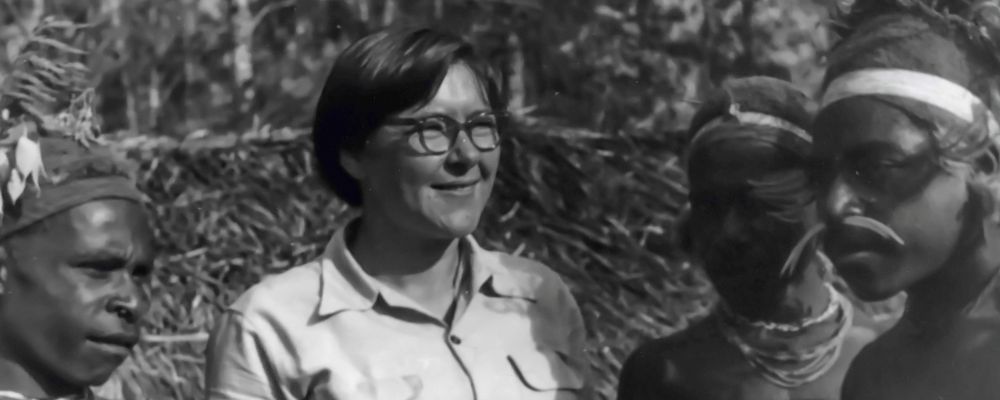
Marie Reay was a pioneering anthropologist with a dedication to Papua New Guinea. Image: ANU Archives
Lowitja O'Donoghue
Dr Lowitja O’Donoghue was a Yankunytjatjara woman and one of the most significant Australians of the last century. She trained as a nurse, then went on to become a national leader in health, education and the rights of Aboriginal and Torres Strait Islander peoples. She was named Australian of the Year in 1984, became the first Aboriginal woman appointed a Member of the Order of Australia and was later made a Companion of the Order of Australia.
Her connection to ANU is historic. In 1995, she became the first Aboriginal person to receive an honorary doctorate from the University. Thirty years later, in March 2025, ANU opened the Lowitja O’Donoghue Cultural Centre, with the Governor-General of Australia, Her Excellency the Hon Sam Mostyn AC in attendance. She is also the first Aboriginal person recognised through the naming of an ANU building.
If you come onto campus from University Avenue, you will see the centre on your right. It stands at the heart of campus as a place for community, connection and culture. Her family described that as a fitting tribute to someone who spent so much of her life bringing people together.

Lowitja O'Donoghue helped shape public policy through years of service. Image: Lowitja Institute
Di Riddell
If you want to understand how seriously ANU takes student life, Di Riddell is a good place to start.
She joined the ANU Students’ Association in the mid-1960s and spent nearly thirty years making university life better in ways that were often practical, immediate and human. Di helped students find secure housing, access bank loans and navigate the problems that can make or break a student’s experience.
Her years at ANU also covered one of the most turbulent stretches of campus history, from protests against the Vietnam War and apartheid in South Africa to the growing push for women’s and Indigenous rights.
When Aboriginal activists helped establish the Tent Embassy in 1972, Riddell found them beds and made sure they were fed. When students were arrested at protests, she used Students’ Association money to bail them out. She was known for being able to negotiate with police and calm situations before they turned violent.
She was also a great supporter of the arts at ANU, helping students organise the Aquarius Festival in 1971 before later becoming Manager of the ANU Arts Centre. At her funeral, a friend described her as gregarious, bossy, efficient, compassionate, dogmatic and a firm, firm friend.
Today, the Di Riddell Student Centre in Kambri carries her name. It is where students go for admin, advice and support, continuing the kind of practical, behind-the-scenes work she spent decades doing for them.
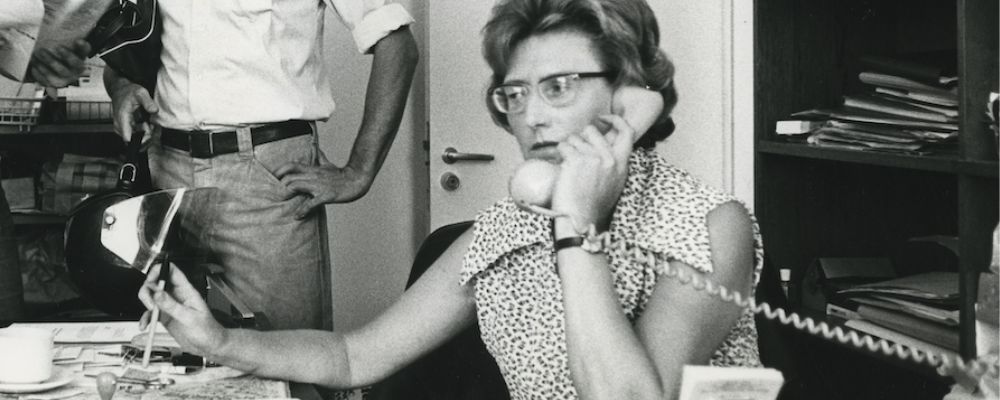
If you were a student in need at ANU, Di Riddell had your back. Image: ANU Archives
Hanna Neumann
Hanna Neumann arrived at ANU in 1964 as Professor and Head of Pure Mathematics. She was the first woman ever appointed to a Chair at ANU and later served as Dean of Students.
Neumann had left Berlin in 1938 as the Nazi regime tightened its grip. She completed a doctorate at Oxford and built an international reputation in group theory, a famously abstract corner of pure maths. Four of her children became mathematicians, which tells you something about the IQ of the family.
Colleagues described her as a born teacher who could take the most abstract idea and make it concrete and beautiful. She helped set up the Australian Association of Mathematics Teachers and cared about getting maths across to people, not just doing it. Away from the whiteboard, she had a flair for languages and a fondness for cycling and photography.
Today, her name sits on the Hanna Neumann Building, home to the ANU Mathematical Sciences Institute. The MSI is ranked among the top institutions in Australia for mathematics, which feels right for someone remembered not only for advancing the field, but for helping others understand it.
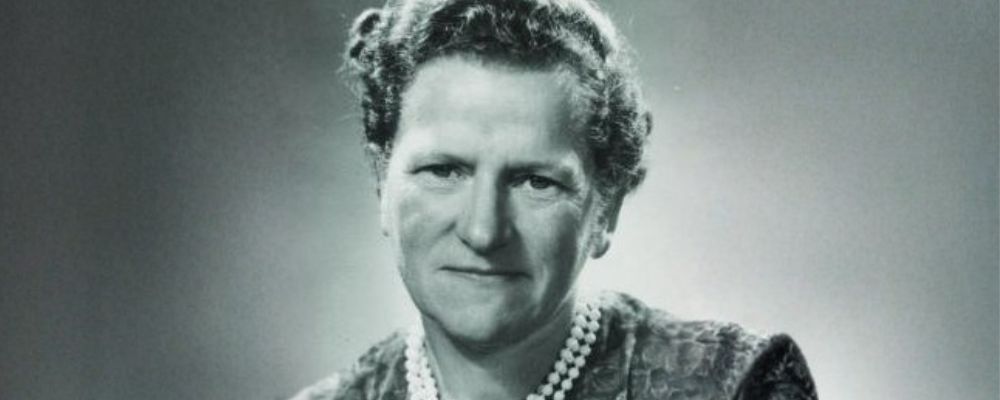
Hanna Neumann was the first woman appointed as a Professor of Mathematics in Australia. Image: ANU Archives
Pauline Griffin
Pauline Griffin has a distinction almost nobody else can claim. Two different ANU buildings have carried her name.
The first was the old Student Union Building, built in 1963 and later renamed in her honour. It was demolished in 2018 to make way for a new research building, but her name returned in October 2024 with the opening of the Pauline Griffin Health and Wellbeing Centre.
She had earned that recognition several times over. Griffin served as Pro-Chancellor from 1991 to 1998 and as a member of the ANU Council, the body that governs the University, after a career as a social worker, personnel manager and industrial relations commissioner.
The new centre brings her name into another part of student life: health, wellbeing and the support students sometimes need to get through university. For someone whose career was built around service and practical care, it is a natural fit.
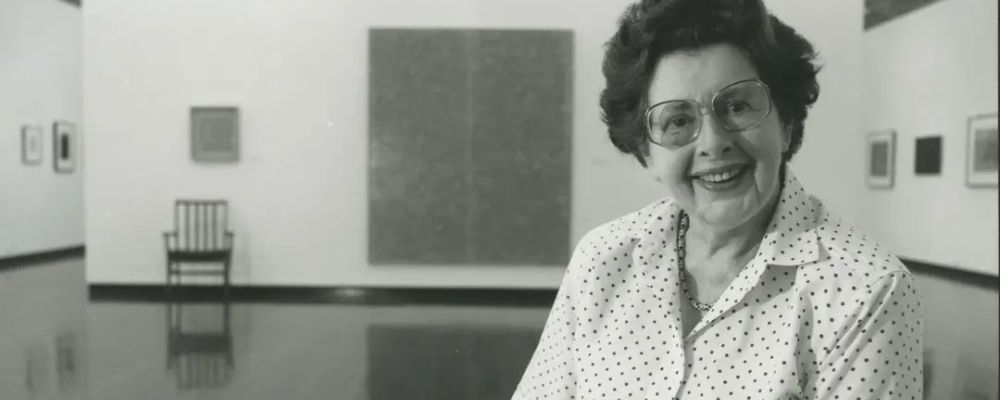
Pauline Griffin was steadfast in her protection of the rights of working women. Image: ANU Archives
Skaidrite Darius
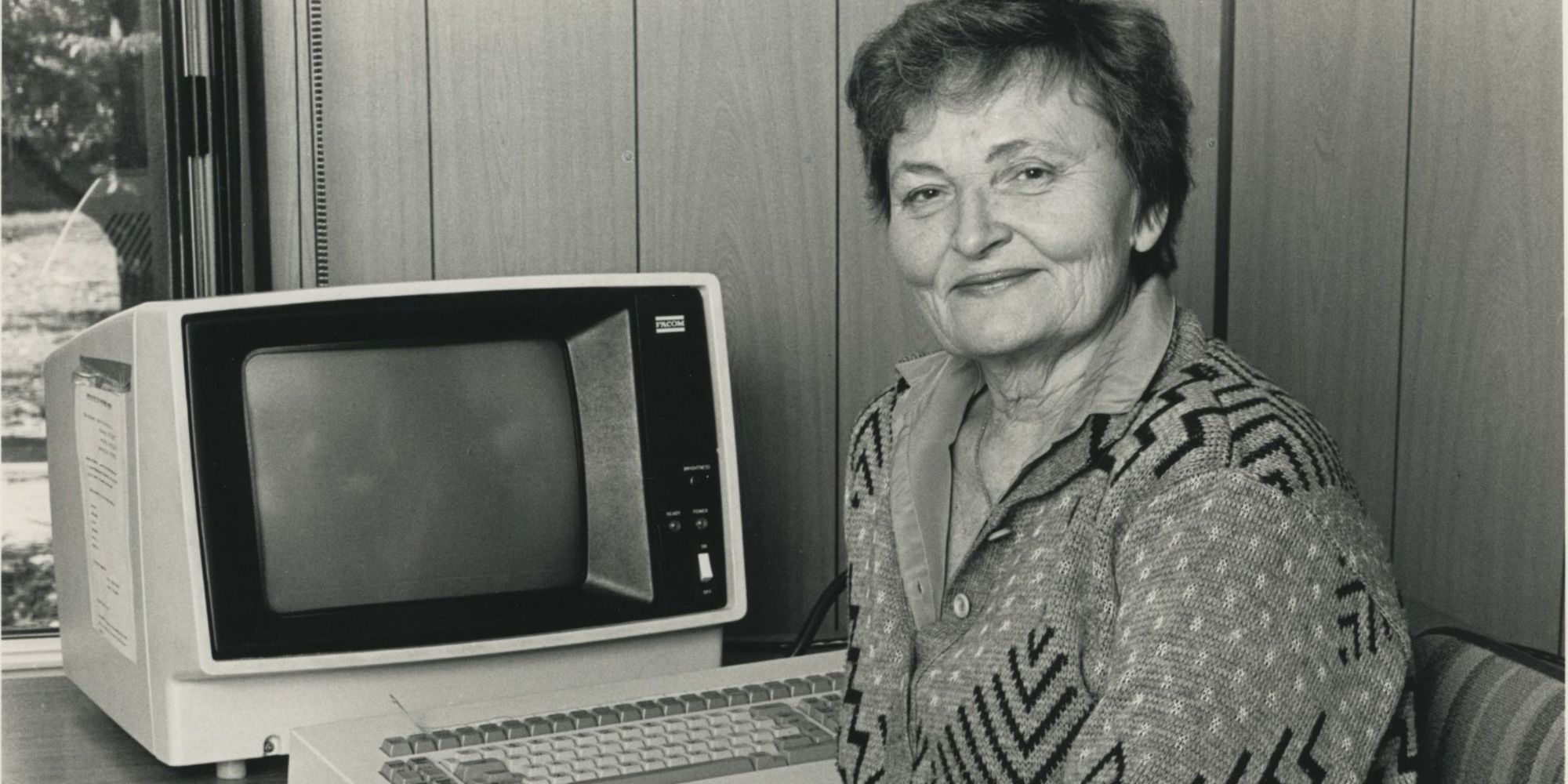
Skaidrite Darius got the job she was never meant to apply for. In the 1960s, ANU brought a new IBM data processing unit to the Acton campus to handle everything from student results to payroll.
The University advertised for someone to help run it, but the ad carried a small letter “m”, the signal that only men should apply. Thirty-five men had already sat the entry test and failed. Darius, then working at the John Curtin School of Medical Research, sat it anyway. She passed and got the job.
Then came the part that sounds almost too perfect to be true. The payroll system she now ran could not process a woman in the role, so her own payslips were marked with the same small “m” that was meant to keep her out. For the next thirty years, she was officially Mr S Darius.
She fled Latvia as a teenager after the Soviet occupation and arrived in Australia as a refugee. At ANU, she effectively became the IT department. She drove in for midnight callouts, sometimes in her pyjamas, because the first computer only ran between midnight and four in the morning. As her daughter put it, there was no help desk back then. There was just Skaidrite.
In 2019, aged 92, ANU awarded her an honorary doctorate. In 2025, the computer science building was renamed in her honour.
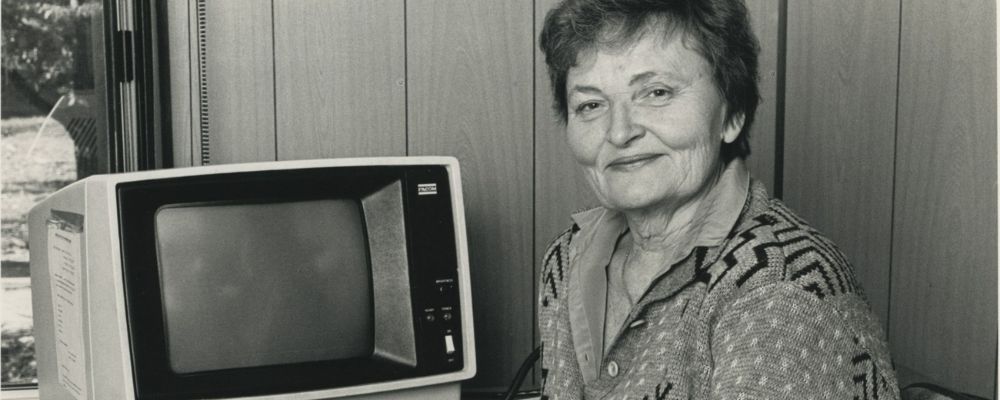
Skaidrite Darius was an early pioneer in the male-dominated field of computing. Image: ANU Archives

Want to find out more about ANU architecture? Check out some of our most iconic buildings on campus.